
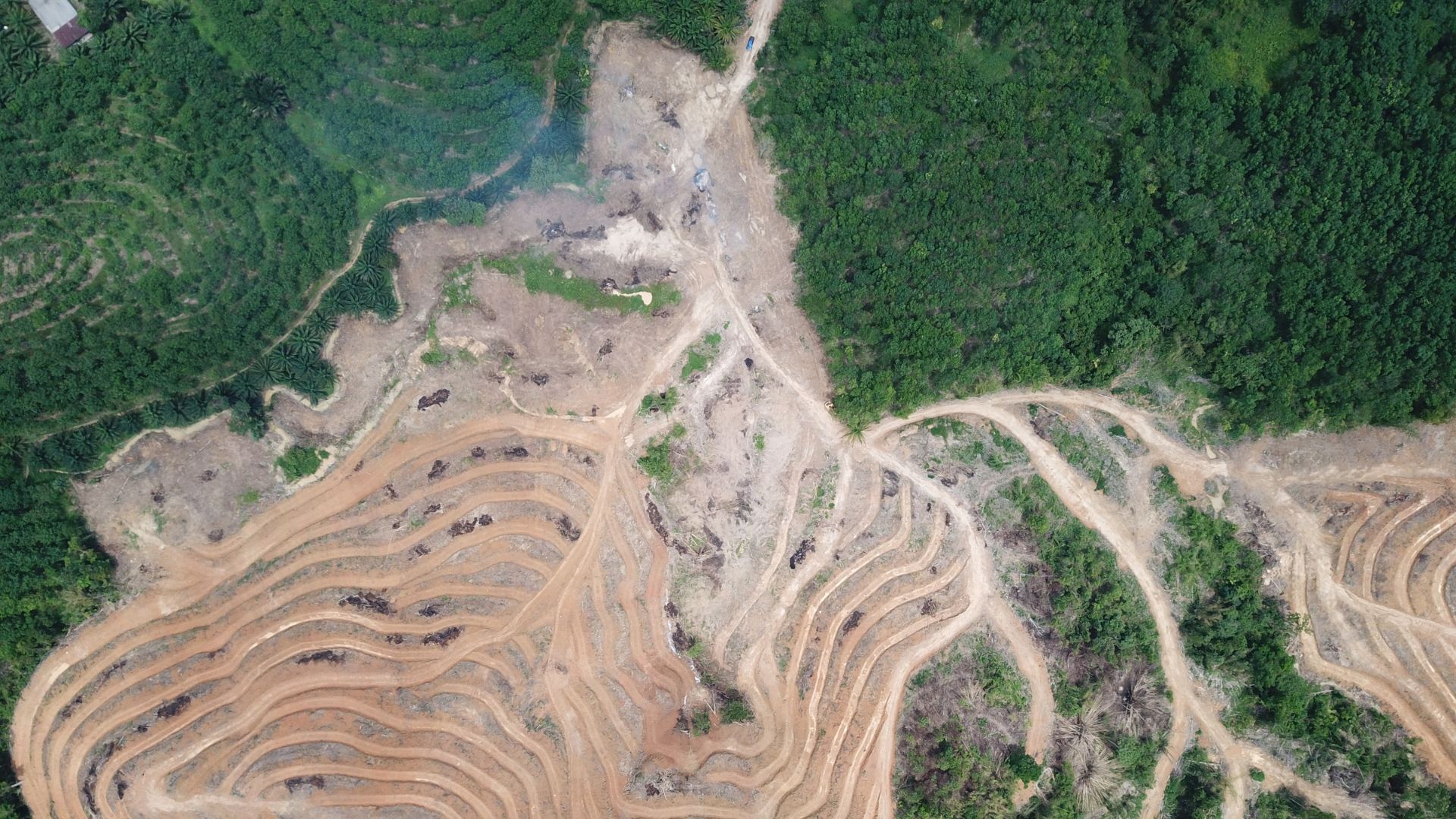
With the EUDR deadline looming, is your supply chain mapped, or is your export business at risk?
If you are an ambitious, growing business exporting commodities like cattle, cocoa, coffee, oil palm, rubber, soya, or timber to the European Union, these 75 days represent a critical window. The countdown to the EU Deforestation Regulation (EUDR) transition deadline on June 30th is officially ticking.
For growing small and medium-sized enterprises (SMEs), this date represents a regulatory crossroads. Failing to establish rigorous traceability before the deadline hits could mean facing blocked shipments, severe fines, and sudden exclusion from the lucrative EU market.
The good news? You do not have to navigate this complex regulatory terrain alone. Tick Accreditation is here to help turn a daunting compliance challenge into an absolute competitive advantage.
Decoding the EUDR: What is Changing?
The EUDR is an ambitious environmental mandate designed to ensure that specific products sold within or exported from the EU market do not contribute to global deforestation or forest degradation. Under these strict rules, businesses must definitively prove that their commodities were produced on land that has not been subject to deforestation since 31 December 2020. Furthermore, the goods must fully comply with the relevant local legislation of the producing country.
While large-scale corporations have faced their own compliance timelines, the upcoming June 30th deadline serves as a vital operational milestone for growing enterprises. The European Commission has made it clear that the grace periods are wrapping up, and enforcement will be strict.
The core requirements of the regulation demand that exporters execute three key steps:
- Data Collection: Gathering high-precision information, including specific geolocation coordinates or verified postal records linking products directly to the exact plots of land where they were harvested.
- Risk Assessment: Evaluating the supply chain for any potential non-compliance risks, local labour violations, or gaps in regional legal frameworks.
- Risk Mitigation: Implementing robust internal controls, independent audits, and structural adjustments to address any supply chain vulnerabilities.
Why June 30th is an “Export Cliff Edge” for Growing Businesses
For an expanding SME, managing international logistics is already a balancing act. The EUDR adds an entirely new layer of operational complexity. Treating this deadline as a distant administrative task creates an immediate risk of running into a costly export cliff edge.
The Risk of Broken Supply Chains
If your business acts as a primary operator or a vital link in an EU-focused supply chain, your European buyers will soon demand flawless compliance data before accepting your shipments. If you cannot provide a clear, auditable trail back to the source, your goods could be rejected at the border, leaving your business stranded with unsellable stock and broken commercial relationships.
High Stakes and Financial Penalties
The EU has designed this regulation with teeth. Non-compliance is not a minor oversight; it carries significant penalties. Businesses found violating the rules face:
- Maximum fines of up to 4% of their EU-wide annual turnover.
- Total confiscation of the affected products or generated revenues.
- Temporary or permanent exclusion from EU public procurement processes and commercial markets.
The Tracking Illusion
Many growing businesses assume their current tracking processes are sufficient. However, standard commercial invoices, packing lists, and basic country-of-origin certificates will not satisfy EU customs officials under the new EUDR framework. The regulation requires structured digital traceability, meaning that manual, fragmented spreadsheets simply will not suffice.
The Core Challenges Facing Growing Exporters
Navigating the transition period reveals several distinct operational hurdles for growing companies:
| EUDR Compliance Challenge | What it Means for Your Business |
| Complex Traceability Mapping | Sourcing from multiple smallholder farms makes gathering individual geolocation points or accurate plot records incredibly difficult without dedicated digital tools. |
| Strict Legality Verification | Proving your products comply with local land-use rights, environmental regulations, and labour laws in the producing nation requires extensive documentation. |
| Changing Value Chain Roles | Determining exactly who holds primary accountability for submitting a due diligence declaration can shift based on transaction terms and business size. |
How Tick Accreditation Protects and Empowers Your Business
The compliance clock is ticking, but this regulatory shift does not have to disrupt your commercial momentum. At Tick Accreditation, we specialise in simplifying complex regulatory frameworks for growing, dynamic businesses.
We view compliance not as a bureaucratic barrier, but as a mechanism to demonstrate quality, build trust, and unlock premium market access. Here is exactly how our tailored solutions help your business confidently cross the EUDR finish line:
1. Seamless Supply Chain Mapping and Digital Traceability
We help you move away from messy paperwork and fragmented spreadsheets. Our robust framework assists your business in systematically mapping out every tier of your supply chain. We guide you through the process of collecting, verifying, and organising precision data so that you can easily provide the definitive proof required by EU buyers and customs authorities.
2. Concrete Independent Validation
An independent stamp of approval carries immense weight in international trade. Obtaining a Tick Accreditation provides your business with an objective, third-party validation of your due diligence framework. When you can present a verified, compliant supply chain, you immediately de-risk the transaction for your European partners.
3. Preserving and Growing Market Share
While unprepared competitors scramble to fix their compliance gaps or find themselves locked out of European trade routes altogether, your accredited business can step into the vacuum. By preparing early, you actively protect your existing accounts and position your brand as a highly reliable, compliant alternative for premium EU buyers.
Your Step-by-Step Blueprint to EUDR Readiness
With the deadline looming, every day counts. Use this straightforward checklist to assess your current position and take immediate control of your compliance strategy:
- [ ] Map Your Product Scope: Verify exactly which of your export lines fall under the regulated commodity categories (e.g., specific timber products, coffee derivatives, or rubber goods).
- [ ] Engage Your Supplier Network: Open an immediate line of communication with your upstream suppliers. Determine if they can provide verified geolocation coordinates or specific plot records for their upcoming harvests.
- [ ] Identify Accountability Gaps: Audit your current international contracts to clarify exactly which entity is responsible for making the initial due diligence declarations at the EU border.
- [ ] Transition to Digital Records: Begin phasing out manual tracking processes. Centralise your supplier credentials, land records, and risk evaluations into an organised digital architecture.
- [ ] Partner with Tick Accreditation: Engage our team early to review your data readiness, close operational gaps, and secure the trusted validation your international buyers expect.
Turn the Compliance Challenge into Your Competitive Edge
The countdown is underway, and the regulatory landscape has evolved. The upcoming deadline marks a definitive shift in how environmental accountability is managed in global trade. Standing still or adopting a wait-and-see approach risks a direct hit to your bottom line.
Using these remaining days to modernise your supply chain management guarantees compliance while radically sharpening your market differentiation. With Tick Accreditation by your side, you can confidently navigate the complexities of data validation and legal verification, ensuring your business stays on the profitable side of the export divide.
Do not let the upcoming deadline disrupt your hard-earned growth. Protect your international trade routes, secure your vital client relationships, and position your brand as a trusted global exporter.
Contact the Tick Accreditation team today to ensure your business is fully prepared for the upcoming transition.