
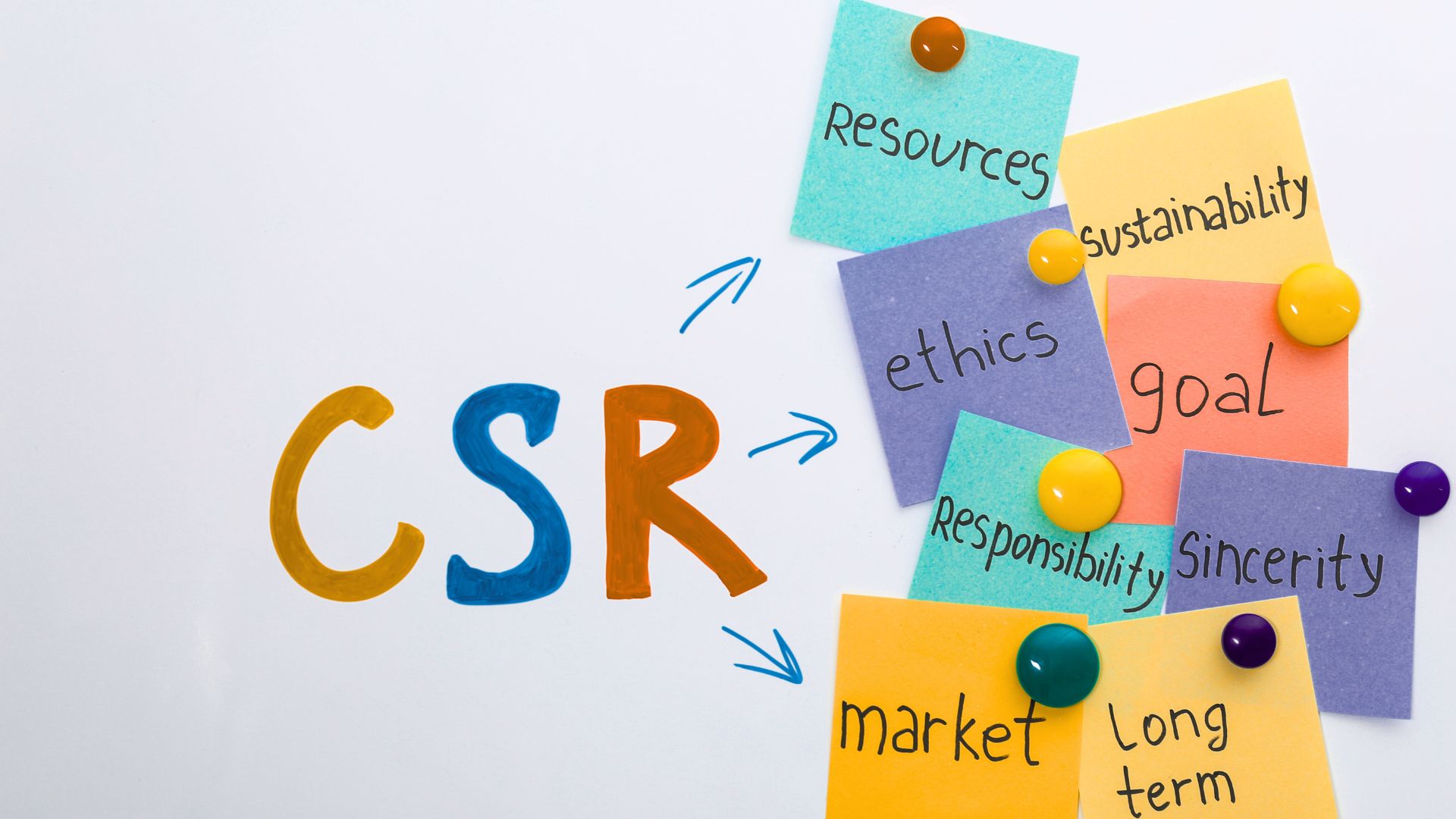
In the modern business landscape, the phrase ‘Corporate Social Responsibility’ (CSR) is no longer just a buzzword reserved for multinational corporations with massive PR budgets. Today, small and medium-sized enterprises (SMEs) are increasingly being held to the same standards of accountability by their customers, employees, and investors.
But how do you prove that your commitment to the community or the environment is more than just talk? That is where the Tick Accreditation CSR standard comes in. In this deep dive, we’ll explore what the standard entails, the benefits and challenges for SMEs, and what you should consider before starting your journey.
What is the Tick CSR Accreditation?
Unlike broad, often confusing international standards, the Tick CSR Accreditation is designed to be accessible and evidence-based. It focuses on the actual impact an organisation has on society, the environment, and the economy.
One of the most unique features of this standard is its modular approach. It is broken down into 10 Microaccreditations, allowing SMEs to focus on specific areas of their strategy rather than tackling everything at once. These include:
- Strategic Vision and Pledges
- Company Leadership and Management Support
- Specific CSR Initiatives and Training
- Staff Voice and Monitoring
By providing evidence of your impact, you can achieve Bronze, Silver, or Gold levels, giving you an independent, third-party validation of your hard work.
The Pros: Why Should SMEs Bother?
1. Build Trust and Brand Loyalty
Recent data suggests that 77% of consumers are motivated to purchase from companies committed to making the world a better place. For an SME, trust is your most valuable currency. Holding an independent accreditation proves to your customers that your values are genuine, helping you stand out in a crowded market.
2. Attracting and Retaining Talent
The modern workforce (particularly Gen Z and Millennials) want to work for companies that align with their personal values. CSR isn’t just about charity; it’s about how you treat your people and your community. Accreditation shows potential recruits that you offer more than just a payslip.
3. Operational Focus
SMEs often do a lot of good ‘under the radar,’ but it can be disjointed. The Tick framework provides a structure. By working through the Microaccreditations, such as ‘Strategy Monitoring’ or ‘Policy,’ you naturally tighten up your business processes, making your social impact more efficient and measurable.
4. Levelling the Playing Field
Independent accreditation gives smaller businesses a way to compete for tenders and contracts that require proof of ethical standards. It provides a badge of honour that carries the same weight as the CSR departments of much larger firms.
The Cons: What are the Hurdles?
1. Resource Allocation
For a small team, finding the time to gather evidence and document policies can be a challenge. While the Microaccreditation format helps by breaking the work into bite-sized chunks, it still requires a dedicated Champion within the business to lead the charge.
2. Evidence Gathering
Tick Accreditation is evidence-based. If your business has been doing good deeds informally (like donating to local food banks or offering staff volunteer days) without keeping records, you might find the initial documentation phase a bit of a climb.
3. The Moving Target
CSR is not a ‘once and done’ task. To maintain the standard, and potentially develop from Bronze to Gold level, you need to show continuous improvement. This requires a long-term commitment rather than a short-term appearance driven push.
Things to Consider Before You Start
If you are an SME owner or manager thinking about taking the plunge, here are a few things to weigh up first:
What is your Why?
Are you doing this because you genuinely want to improve your impact, or just for the badge? We will be honest that the process is much easier and more rewarding if the CSR goals align with your company’s core mission.
Audit your current activities
Before applying, take an informal audit. What are you already doing? You might find you are already meeting the criteria for several Microaccreditations, such as ‘Staff Voice’ or ‘Company Leadership.’ Using this information to start where you are strongest can help to build momentum.
Engage your team
CSR should never be a top-down mandate. Use the ‘Using staff voice to inform strategy’ Microaccreditation as a guide. When your employees are involved in choosing the initiatives, the evidence gathering becomes a collective effort rather than a chore for one person.
Start Small
The whole point of the model is that you don’t have to go for all 10 Microaccreditations at once. Perhaps start with a ‘Single CSR Initiative’ or your ‘Strategic Vision.’ The beauty of the Tick system is that it grows with you.
Final Thoughts
Corporate Social Responsibility is no longer an optional extra; it is a fundamental part of doing good business. For SMEs, the Tick Accreditation CSR standard offers a manageable, credible, and rewarding way to prove that impact.
By focusing on evidence and allowing for incremental progress through Microaccreditations, it removes the ‘all or nothing’ barrier that often prevents smaller firms from seeking validation. If you’re ready to turn your good intentions into a gold-standard strategy, it might be time to look at the evidence you already have and start your journey.
Ready to showcase your impact? Explore the Tick CSR Accreditation Standards today.