
For decades, workplace health and safety focused almost exclusively on the physical realm. Everything was about hard hats, high-visibility jackets, ergonomic seating, and slips, trips, or falls. Today, the modern workplace landscape looks fundamentally different. Employee mental health and psychological safety are no longer considered merely soft HR benefits or optional perks; they are firmly established as core legal responsibilities for employers.
Navigating employee mental health requires a proactive, structured approach to risk assessment and continuous mitigation. For organisations looking to fulfil their statutory obligations while demonstrating clear accountability, microaccreditation offers a powerful, structured framework to build and evidence ongoing compliance.
Why Fulfilling Your Legal Duty Matters
Under UK law (specifically the Health and Safety at Work etc. Act 1974) employers have a legal duty of care to ensure, as far as is reasonably practicable, the health, safety, and welfare of all their employees. Crucially, “health” explicitly includes employee mental health alongside physical health. Furthermore, under the Management of Health and Safety at Work Regulations 1999, employers are legally required to carry out suitable and sufficient assessments of workplace risks, including stress and psychological hazards.
The Standard of Risk Assessment
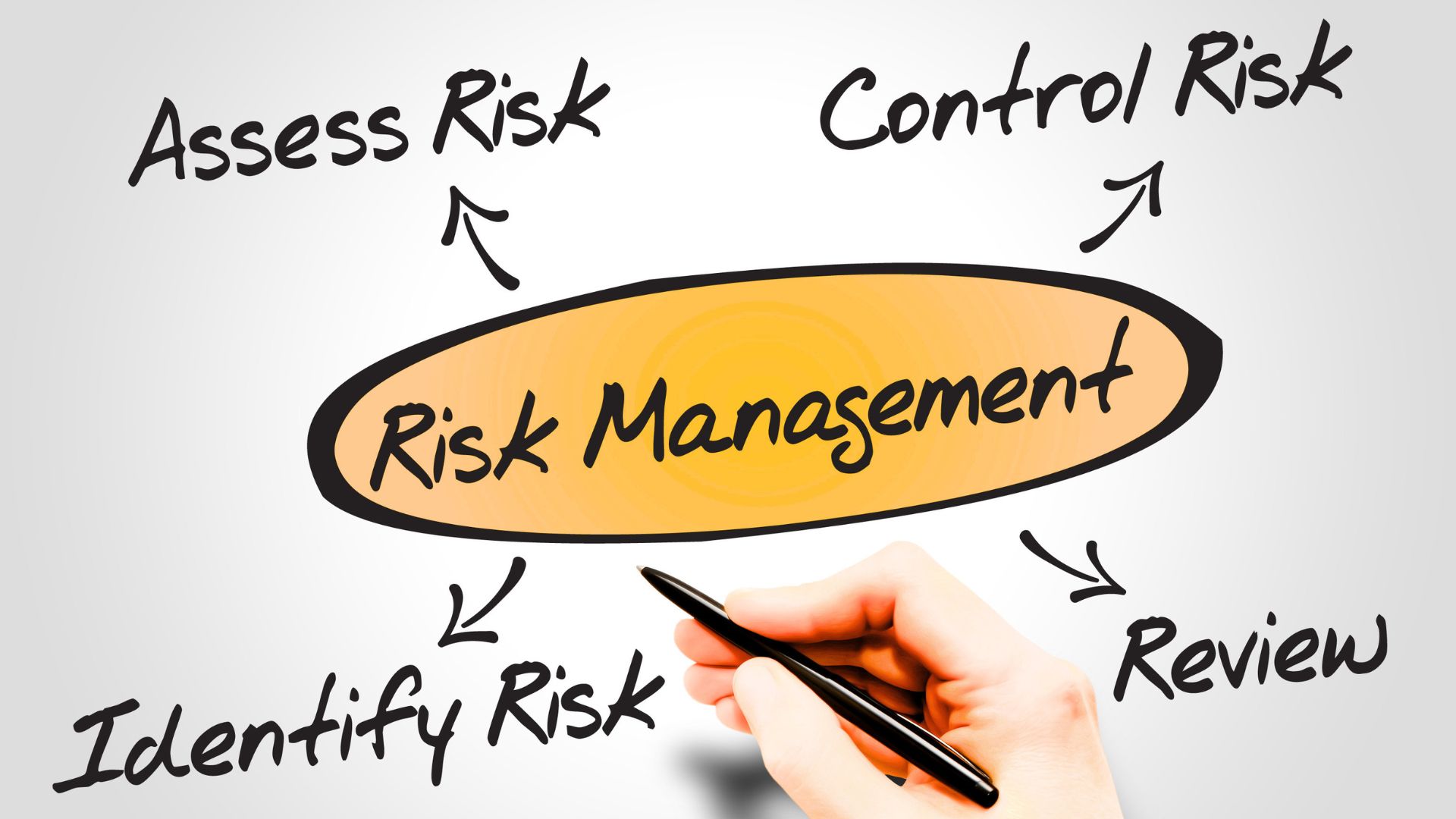
The Health and Safety Executive (HSE) clearly states that work-related stress, burnout, and mental health issues must be managed with the same rigor as physical workplace hazards. Employers are expected to:
- Identify hazards: Pinpoint aspects of work design, management, or organisational culture that could cause employee mental health issues or exacerbate existing conditions (e.g., excessive workload, lack of control, poor support, workplace bullying, or role ambiguity).
- Assess the risks: Determine who might be harmed and how, taking into account work contexts and individual vulnerabilities.
- Take preventive action: Implement control measures to eliminate or mitigate identified risks to employee mental health before harm occurs.
- Monitor and review: Continuously review assessments to ensure measures remain effective over time.
Failing to meet these requirements exposes organisations to significant legal liabilities, including health and safety enforcement actions, high staff turnover, increased sickness absence, and costly personal injury claims or employment tribunals stemming from negligence or breach of duty around employee mental health.
Beyond compliance, proactive management directly influences business performance. Chronic workplace stress dampens productivity, damages morale, and drives up absenteeism and presenteeism. Treating employee mental health as a core risk management priority protects both your people and your organisation’s bottom line.
Proving Compliance: Moving Beyond One-Off Initiatives
While many companies implement well-meaning wellness perks, such as meditation apps, occasional wellness days, or Fruit Fridays, these interventions rarely satisfy legal obligations. Regulators and legal bodies look for systemic, structural measures that prevent workplace harm, rather than surface-level support after the damage is done.
To prove compliance, an organisation must demonstrate:
- Forethought and Planning: Proactive identification of psychological risks within specific roles and departments.
- Proportional Control Measures: Concrete actions tailored to address specific workplace stress factors.
- Continuous Review: Active monitoring and adaptation of mental health strategies as the business evolves.
This is where formal accreditation plays a vital role. It bridges the gap between internal policy and verifiable standard practice, serving as robust proof that an employer takes its legal duties seriously.
The Power of Microaccreditation: Continuous, Future-Proof Evidence
Traditional accreditation models often rely on an annual or multi-year audit cycle. While valuable, these static evaluations can create a “snapshot in time” effect, where an organisation rushes to meet standards during audit season, only to slide into passive maintenance until the next renewal.
In the context of health and safety law, an old certificate does not prove that safety measures are actively functioning today. Microaccreditation transforms this dynamic by shifting from periodic review to continuous, bite-sized validation.
Key Advantages of the Microaccreditation Format
1. Real-Time Evidence of Action
Microaccreditation breaks complex standards down into achievable, targeted modules or “micro-credentials.” As your organisation completes specific initiatives (such as updating psychological risk assessment protocols, training line managers, or implementing clear stress escalation pathways) each step is independently verified. This creates a real-time, timestamped audit trail of progress.
2. Future-Proofing Against Evolving Standards
Work environments shift rapidly, whether through remote working models, economic pressures, or changing legal definitions around psychological safety. A microaccreditation framework adapts dynamically, allowing employers to integrate updated guidelines and regulatory expectations into their routines without waiting for a multi-year audit cycle.
3. Embedding a Culture of Continuous Improvement
Because microaccreditation encourages incremental, modular progress, well-being risk management becomes part of the ongoing operational cadence rather than an administrative burden. It supports a proactive workplace culture where risk assessment is a live, everyday process.
4. Clear Accountability for Stakeholders
When presenting evidence to inspectors, insurers, board members, or employment tribunals, a chronological portfolio of micro-accreditations provides undeniable proof of an active, ongoing duty of care. It demonstrates that management regularly evaluates mental health risks and takes prompt control measures.
How Tick Accreditation Helps You Lead the Way
At Tick Accreditation, we specialise in helping organisations establish, maintain, and evidence their workplace standards through our structured accreditation pathways.
Our microaccreditation approach empowers employers to satisfy their legal obligations under health and safety guidelines while building a resilient, high-performing culture.
Practical Steps to Getting Started
- Audit Your Current Risk Framework: Evaluate your existing health and safety statements to ensure psychological hazards are explicitly addressed alongside physical risks.
- Engage Your Workforce: Gather qualitative and quantitative data through employee feedback and workplace reviews to identify stress hotspots.
- Adopt a Modular Framework: Work through Tick Accreditation’s microaccreditation modules to methodically address key areas, from policy development and manager training to active monitoring.
- Maintain Your Digital Evidence Trail: Use ongoing verification to showcase your commitment to current employees, future talent, regulatory bodies, and insurers.
Addressing employee mental health is both an ethical imperative and a legal duty. By implementing structured risk management and leveraging the continuous framework of microaccreditation, your organisation can prove its dedication to well-being today while future-proofing its operations for tomorrow.
Start your accreditation journey by exploring the Mental Health Tick today.