
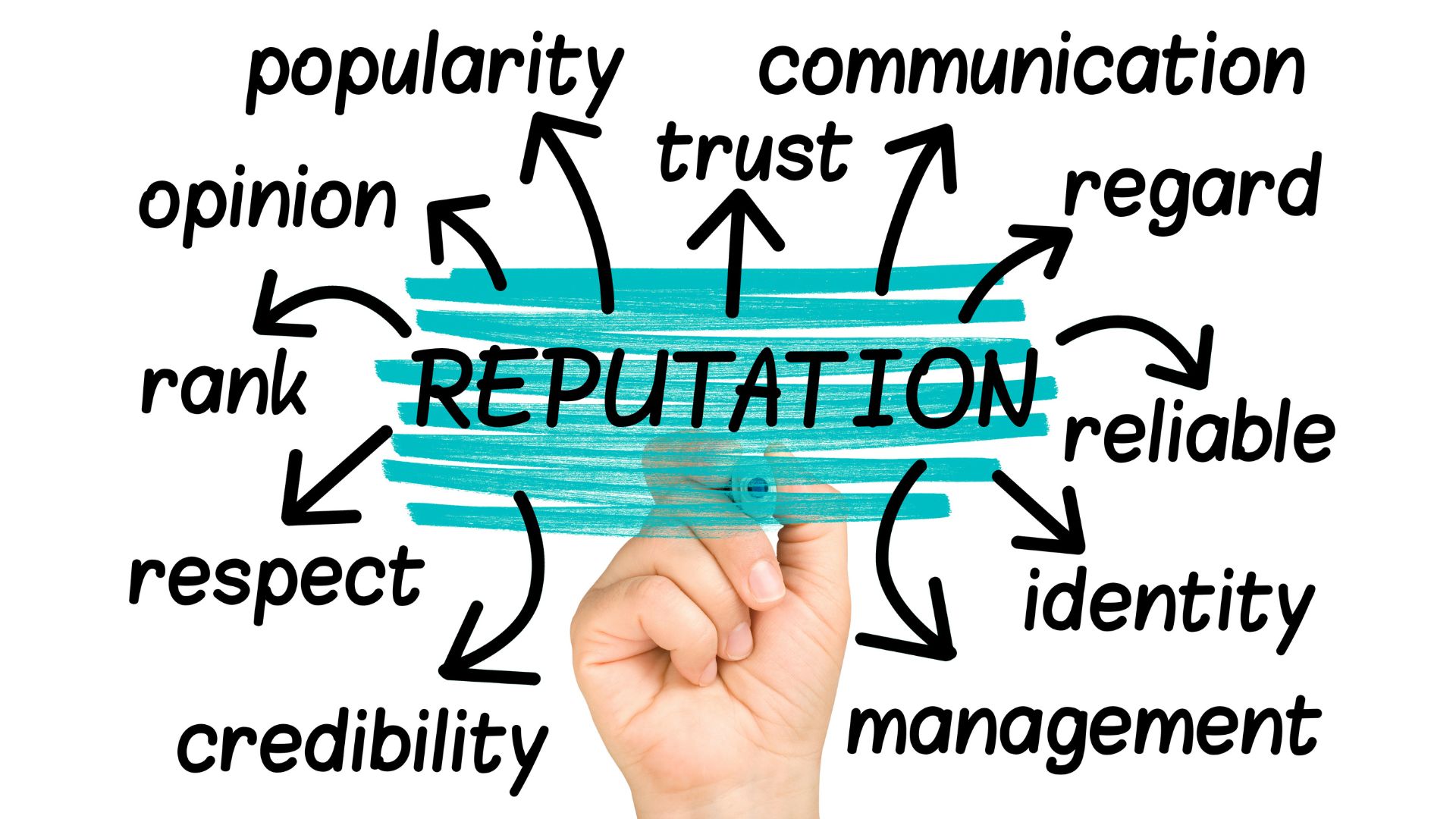
Accreditation is frequently marketed as the ultimate badge of trust – a golden stamp of approval that reassures clients, attracts talent, and elevates a business above its competitors. For small and medium-sized enterprises (SMEs) striving to establish a reputation for credibility in crowded markets, the promise of external validation in areas like sustainability, occupational health, or corporate social responsibility (CSR) is undeniably compelling.
However, there is an uncomfortable truth that standard accreditation bodies rarely advertise: pursuing accreditation poorly can cause far more harm to your reputation than having no accreditation at all.
When an accreditation process is approached as a rushed tick-box exercise, an overwhelming administrative burden, or a veneer applied over empty practices, it creates profound vulnerabilities. For an SME, where reputation is often closely tied to authentic customer relationships, the fallout of a flawed accreditation attempt can be devastating.
Here is an exploration of the hidden pitfalls of traditional accreditation, what SMEs must consider before diving in, and how modern microaccreditation frameworks offer a safer, more sustainable path forward.
The Hidden Pitfalls
How Poor Accreditation Destroys Trust
1. The Threat of “Badge Engineering” and Accusations of Washing
Perhaps the most acute risk of a botched accreditation is the charge of insincerity. This can be commonly seen as greenwashing in environmental spaces or wellbeing-washing in corporate health.
If a business displays a prominent badge on its website claiming high standards in sustainability or employee welfare, but its day-to-day operations tell a different story, stakeholders notice. Employees quickly spot the disparity between shiny marketing slogans and their actual workplace reality, leading to cynicism and high staff turnover. Customers and clients, increasingly adept at spotting corporate posturing, will view the badge as disingenuous. In the digital age, being publicly called out for performative compliance is a fast track to severe reputational damage.
2. Over-Promising and Under-Delivering
Traditional accreditation frameworks often demand an all-or-nothing commitment. Companies are pushed to audit massive swathes of their organisation simultaneously to meet comprehensive standards.
In an attempt to pass the audit, SMEs may stretch their policies to match what the accreditor wants to see, rather than what the business can realistically sustain. This creates a dangerous operational gap. If your business claims accredited status in occupational health or quality management, clients will hold you to that higher benchmark. Failing to deliver on those inflated standards erodes client confidence far faster than simply being an honest, growing business making steady improvements.
3. SME Burnout and Resource Drain
For a smaller business, resources are finite. Traditional, monolithic accreditations typically demand months of intensive document creation, complex audits, and heavy financial outlay.
When an SME commits to an overly ambitious accreditation journey, internal focus inevitably shifts away from core operations, product quality, and customer service toward administrative compliance. Staff become burnt out, key deliverables slip, and customer satisfaction drops. If the pursuit of a badge degrades the very service that built your reputation in the first place, the accreditation has failed you.
4. The Failed Attempt Stigma
Because traditional accreditations are often structured around vast, rigid assessments, the barrier to entry is high. If an SME invests heavily in a full-scale accreditation drive only to fail the final assessment or abandon the process halfway through due to resource exhaustion, the internal and external cost is high. Sunk costs lead to frustration, and internal momentum around important initiatives like CSR or wellbeing grinds to a halt.
What SMEs Need to Consider Before Pursuing Accreditation
Before signing up for any accreditation framework, leadership teams must pause and evaluate their readiness. Asking the right questions upfront prevents costly missteps down the line.
- Focus on Proof, Not Policy: An accreditation should validate actions you have already taken or are actively embedding, not hypothetical intentions. If your application relies entirely on newly drafted policy documents with no real-world evidence of implementation, you are entering risky territory.
- Ensure Internal Alignment: Ensure your staff are actively involved in the journey. If your team doesn’t understand or experience the changes promised by the accreditation, the initiative lacks the foundation required to succeed.
- Match Scope to Scale: A 20-person company should not attempt to navigate an enterprise-scale compliance standard all at once. Look for pathways that scale alongside your growth.
A Better Way: Mitigating Risk with Tick’s Microaccreditation Model
The core problem with traditional accreditation isn’t the desire for high standards; it’s the rigid, all-or-nothing delivery model. Recognising these operational barriers, Tick Accreditation was designed to eliminate the risks of reputational harm, administrative overwhelm, and performative compliance.
Tick replaces the traditional, overwhelming audit with a microaccreditation framework. Instead of forcing organisations to tackle an entire discipline such as Sustainability, Occupational Health, or CSR in one massive, risky leap, Tick breaks the overarching standard into bite-sized, focused microaccreditations.
How Microaccreditation Protects Your Business Reputation
1. Evidence-Based Verification Eliminates “Washing”
Tick accredits organisations based strictly on real proof of what has actually been done. By evaluating tangible evidence for specific operational areas (whether that is embedding staff voice into strategy, delivering single training courses, or establishing clear leadership vision) Tick ensures your accreditation is backed by undeniable substance. This provides airtight protection against accusations of greenwashing or performative policy-making.
2. Manageable Steps Stop Resource Burnout
With Tick, organisations can apply for individual microaccreditations separately through an accessible online portal. An SME can focus on achieving excellence in one targeted aspect, such as a Sustainability Policy or an Occupational Health Training initiative, before moving on to the next. This allows businesses to build momentum sustainably without overstretching their team or diverting focus from core operations.
3. Clear Progressive Recognition (Bronze, Silver, Gold)
Rather than a pass/fail binary, Tick independently assesses each microaccreditation at Bronze, Silver, or Gold levels. This transparent tiered approach allows SMEs to celebrate honest, incremental progress. It sends a clear, authentic message to clients and stakeholders: “Here is exactly where we are, here is the evidence, and here is how we are continuously improving.”
4. Full Control Over the Journey
By allowing businesses to combine individual microaccreditations over time to achieve full umbrella accreditation, Tick puts leadership back in control. You dictate the pace based on your budget, resources, and strategic priorities.
Conclusion: Protect Your Trust While You Grow
Accreditation remains one of the most powerful ways to build trust, differentiate your brand, and signal operational maturity. But when executed poorly, it risks undermining the very reputation you set out to protect.
For SMEs, the secret to successful accreditation isn’t biting off more than you can chew to secure a quick badge. It is choosing a progressive, evidence-led framework that honours your capacity, validates your real achievements, and grows alongside your business.
By breaking big commitments into achievable microaccreditations, you don’t just protect your reputation: you build an authentic, verifiable legacy of improvement, one tick at a time.